Foundation Inspection in Valdosta
Schedule a careful assessment of your foundation concerns.
Get Clear Answers Before Committing to Repairs
A foundation inspection helps connect visible symptoms to the structure beneath them. The process may include reviewing wall and brick cracks, checking doors and windows, observing floor changes, examining accessible crawlspace or slab areas, and looking at drainage and exterior conditions. We also ask when the damage appeared and whether it has changed over time.
The goal is not to label every crack as a major problem. Some conditions may be cosmetic, stable, or appropriate to monitor. Others may indicate settlement, weakened supports, water-related deterioration, or structural movement that deserves repair. We explain the findings in straightforward language and outline the most practical next steps.
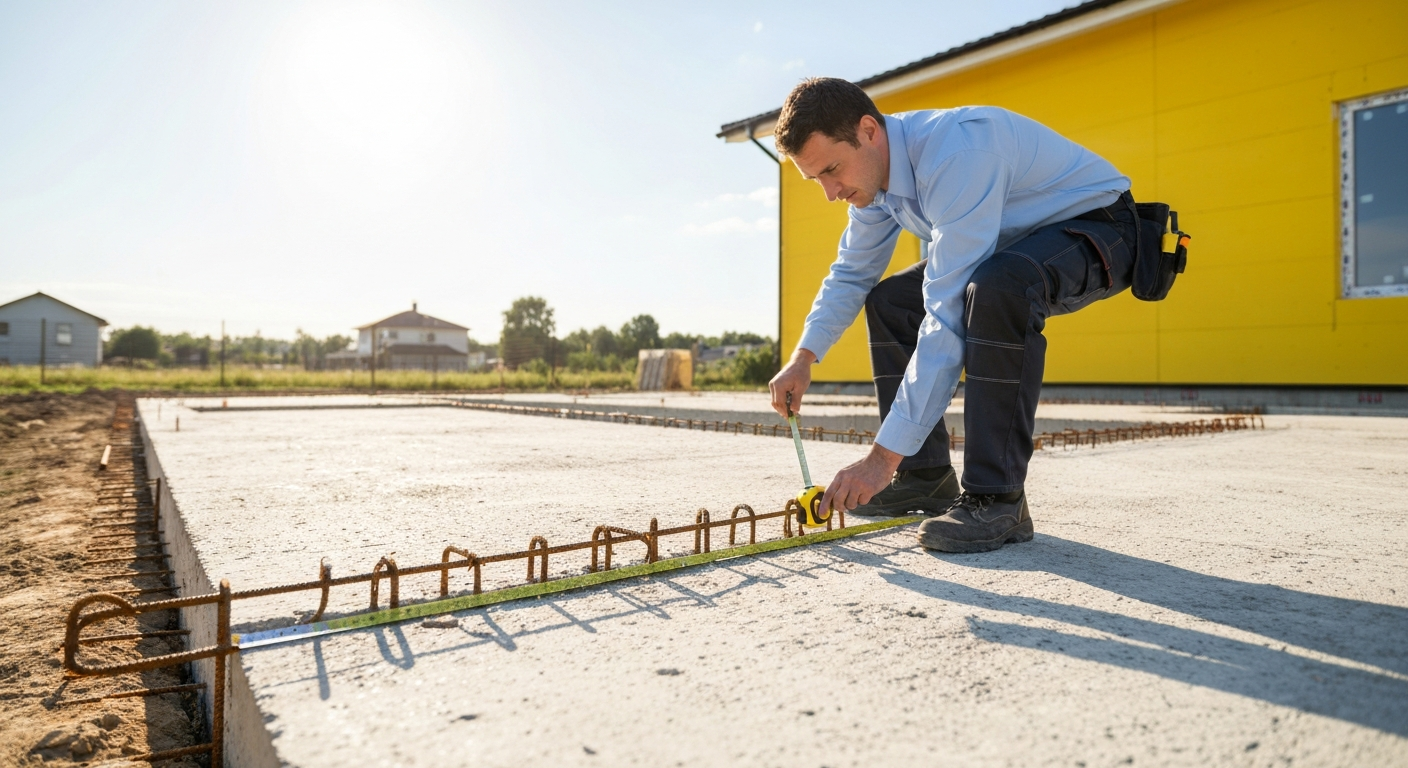
A Structured Review of the Building
Foundation symptoms should be evaluated as a pattern. A sticking door near one isolated wall may have a different cause from multiple doors, sloping floors, exterior cracks, and separation around an addition. We inspect accessible areas and document the relationship between the visible signs, foundation type, floor system, drainage, and previous work.
Interior Crack Review
We examine the location, direction, width, and pattern of drywall, plaster, tile, and trim cracks to see how they relate to the surrounding structure.
Exterior Foundation Review
Visible foundation edges, brick, block, siding, porches, additions, and utility penetrations are reviewed for signs of movement or separation.
Floor-Level Assessment
Sloping, sagging, raised, or soft floor areas may point to settlement, framing concerns, or damaged crawlspace supports. We document the pattern.
Crawlspace Inspection
When safely accessible, we examine piers, beams, joists, supports, moisture conditions, and visible deterioration beneath the floor.
Drainage and Moisture Review
Gutters, downspouts, grading, standing water, plumbing concerns, and crawlspace moisture may contribute to movement or material damage.
Repair Recommendation
You receive an explanation of whether repair, monitoring, maintenance, drainage work, further investigation, or another specialist appears appropriate.
What to Expect During an Inspection
Review the history
We ask about the age of the damage, previous repairs, drainage changes, plumbing issues, renovations, and seasonal movement.
Inspect visible conditions
Interior, exterior, floor, and accessible foundation areas are reviewed for connected signs of movement.
Compare the findings
We assess whether the symptoms appear cosmetic, localized, stable, moisture-related, or consistent with structural settlement.
Explain the next step
You receive a practical recommendation for repair, monitoring, maintenance, further testing, or specialist review.

Why Choose Us for Foundation Inspection
We look for patterns
Individual cracks can be misleading. We compare symptoms throughout the building to determine whether they appear connected.
No automatic repair recommendation
When monitoring or maintenance is more appropriate than immediate structural work, we explain that clearly.
Accessible areas are documented
We identify which areas were inspected, which could not be reached, and whether improved access or another specialist is needed.
Questions are encouraged
We take time to explain terminology, repair options, expected outcomes, and the difference between structural and cosmetic work.
Typical Foundation Inspection Cost Ranges
Inspection pricing depends on property size, access, foundation type, documentation, measurement needs, crawlspace conditions, and whether engineering services are requested.
| Service | Estimated Cost | Average |
|---|---|---|
| Basic visual foundation inspection | $150–$350 | $225 |
| Detailed inspection with measurements | $300–$750 | $475 |
| Crawlspace structural inspection | $250–$650 | $400 |
| Commercial or complex property inspection | $500–$1,500 | $850 |
Ready to get started?
Understand the condition of your foundation before cracks and uneven floors become harder to ignore.
Call +1 478-795-7413