Foundation Crack Repair Valdosta
Have widening, leaking, or recurring cracks inspected.
A Crack Should Be Evaluated Before It Is Sealed
Foundation cracks vary in cause and importance. Thin surface cracks may be related to curing or minor material movement, while wider, offset, stair-step, horizontal, or recurring cracks may point to settlement, pressure, moisture, or structural stress. Filling a crack without understanding the movement can hide the symptom without addressing the cause.
We inspect the crack, surrounding walls, foundation type, nearby openings, floor conditions, drainage, and related signs throughout the building. The repair may involve sealing, patching, reinforcement, water-control measures, structural support, or monitoring. We explain whether the crack repair is cosmetic, moisture-focused, or part of a larger stabilization plan.
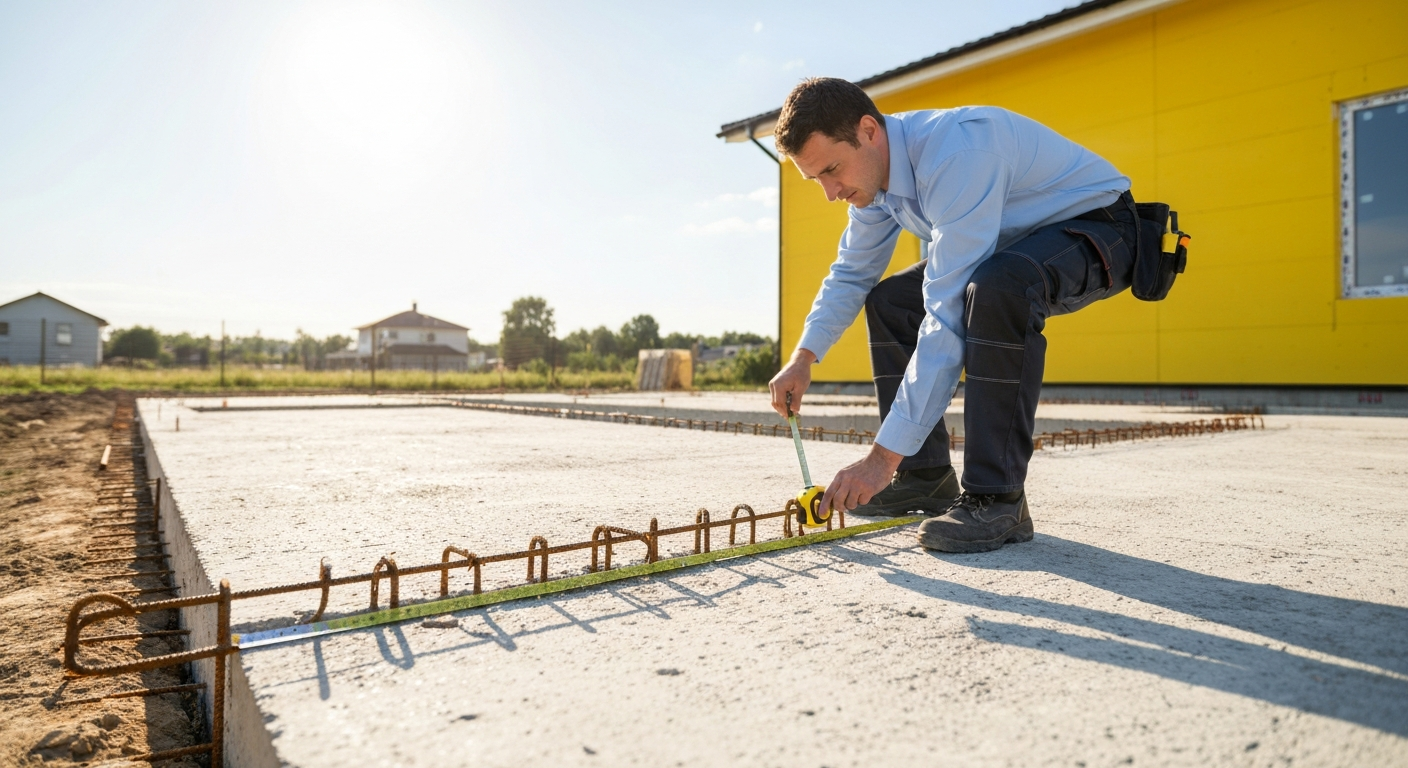
Crack Repairs Matched to the Material and Cause
Concrete, block, brick, mortar, stucco, and interior finishes crack differently. A successful repair depends on material compatibility, moisture conditions, movement, access, and the expected purpose of the repair. Structural support should be addressed before final cosmetic work when active movement is present.
Concrete Foundation Cracks
Concrete cracks are evaluated for width, depth, displacement, moisture, and movement before a sealing or structural repair method is selected.
Block Foundation Cracks
Cracks through mortar joints or masonry blocks may be connected to settlement, lateral pressure, moisture, or localized support problems.
Stair-Step Brick Cracks
Stair-step cracking often follows mortar joints and may be associated with movement near corners, openings, additions, or settled foundation sections.
Leaking Foundation Cracks
Water entry may require crack sealing along with drainage, grading, gutter, plumbing, or exterior moisture corrections.
Recurring Interior Cracks
Drywall or trim cracks that return after patching may indicate ongoing movement. We inspect the surrounding structure before recommending another cosmetic repair.
Crack Monitoring
Documented measurements can help determine whether a crack appears stable or continues to change before a larger repair decision is made.
Our Crack Repair Process
Inspect the crack
We review its location, direction, width, displacement, moisture, age, and relationship to nearby structural features.
Check for connected movement
Floors, walls, doors, windows, masonry, drainage, and accessible foundation areas are evaluated for related symptoms.
Select the repair method
The recommended approach reflects the material, purpose, access, structural conditions, and likelihood of continued movement.
Repair and review
The agreed work is completed, followed by cleanup and guidance about monitoring, cosmetic finishing, or related maintenance.

Why Choose Us for Foundation Crack Repair
Cause before patching
We determine whether the crack appears cosmetic, moisture-related, or connected to movement before recommending repair.
Material-specific methods
Concrete, block, brick, mortar, and interior finishes require different products, preparation, and expectations.
Structural work comes first
When movement is active, stabilization may need to be completed before final crack and finish repairs.
Water sources are considered
Sealing a crack may not solve water entry if drainage, grading, gutters, plumbing, or exterior conditions remain uncorrected.
Typical Foundation Crack Repair Cost Ranges
Pricing depends on crack type, length, access, movement, material, water entry, structural support needs, and whether finish restoration is included.
| Service | Estimated Cost | Average |
|---|---|---|
| Minor nonstructural crack repair | $300–$900 | $550 |
| Leaking crack repair | $500–$1,500 | $900 |
| Masonry crack repair | $750–$3,000 | $1,600 |
| Structural crack stabilization | $2,000–$10,000 | $5,000 |
Ready to get started?
Have a widening, leaking, or repeatedly patched foundation crack evaluated before covering it again.
Call +1 478-795-7413